Loneliness vs solitude is not a question about the room. Imagine two people spending the same Sunday in the same silent flat: they can be in opposite states. What separates them is whether the aloneness was chosen, whether it can be ended, and what the quiet is doing to them while it lasts.
The words get used as synonyms and then as opposites, by people trying to sell either self-improvement or sympathy. Neither framing is much use to someone sitting in the quiet trying to work out which one they are in.
What is the difference between loneliness and solitude?
Solitude is time alone that a person chose and can end at will. Loneliness is a gap between the contact a person has and the contact they need, and it does not close because they decide it should. Solitude has a door; loneliness has a wall that looks like a door.
Two tests separate them.
The first is reversibility. Reversibility means the aloneness can be ended by the person in it. If picking up the phone would end it — and there is someone on the other end who would answer, and the person simply does not want to call — that is solitude. If the phone offers no such option, or if the calls that could be made would not change the feeling, the quiet is not chosen and it is not solitude.
The second is what the silence is being spent on. In solitude, attention goes outward: to a task, a book, a walk, a room being tidied. In loneliness, attention goes to the absence itself. The evening becomes a monitoring exercise — checking the phone, replaying the last conversation, calculating how long it has been since anyone asked anything.
Neither test is a verdict about the person. They are a way of describing which state the evening belongs to, which matters because the two respond to completely different things. More alone time helps one and worsens the other.
| Solitude | Loneliness | |
|---|---|---|
| How it started | Chosen | Not chosen |
| Ending it | Can be ended at will | Does not end on command |
| Where attention goes | Outward, onto a task or a room | Onto the absence itself |
| What the phone is for | Ignored without cost | Checked, and checked again |
| What more of it does | Restores | Deepens the state |
Can loneliness turn into solitude?
Sometimes, and sometimes not — and which one happens is not decided by willpower. Loneliness converts into solitude when the aloneness becomes optional: when there is contact that could be picked up, and something to do with the hours that has its own value. Where those two things do not exist, no amount of reframing produces solitude.
This is where a lot of advice goes wrong. Being told that time alone is a gift, when the alone time was never chosen, does not change the state; it adds a second problem, which is now failing at something that was supposed to be simple.
What does move the line is unglamorous. Contact that is scheduled rather than hoped for gives the empty evenings a boundary — the hours are between things instead of being open-ended. Work with a shape to it takes attention off the absence. And time genuinely helps some people and genuinely does not help others, which is worth saying plainly rather than pretending everyone arrives at peace eventually.
There is also a version that runs the other way. Solitude that was chosen can drift into loneliness when the option to end it quietly disappears — for example when people move, a routine ends, or messages stop being returned — and the person notices later that the door they never bothered opening is no longer there. That drift is quiet by nature, which is why someone who lives contentedly alone is still worth checking in on, without drama.
What does solitude actually feel like?
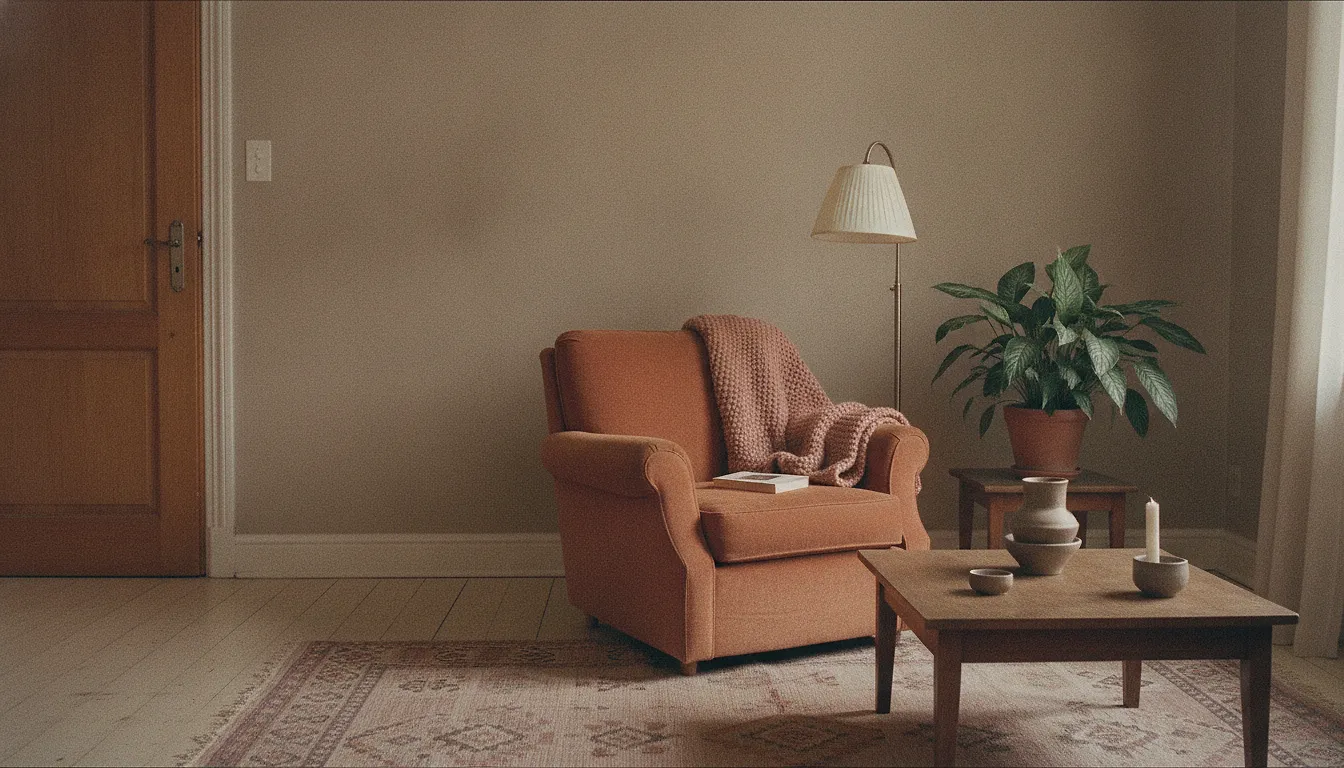
Ordinary, mostly. Solitude reads as an absence of friction rather than as a positive event: nobody to coordinate with, no performance running, no half of the attention reserved for someone else in the house. It is not profound by default and it does not generate insight on schedule.
The romantic version — solitude as a source of clarity, creativity or spiritual gain — makes a poor measuring stick. Someone who spends a quiet weekend and comes out of it with nothing except a clean kitchen has not done solitude wrong.
What changes is concrete. Time stops being sliced into other people’s units. Preferences get louder, because nothing is being negotiated — a person notices what they actually want to eat, hear, and do next. Small decisions get made instantly. And the day has no witness, which some people find restful and others find hollow.
That last split is the honest part. The same conditions produce relief in one person and unease in another, and the difference is not a ranking of who is better at being alone.
Is there a word for loving to be alone?
The word that circulates is isolophilia — an informal term for a strong preference for solitude. It is an informal word, not a clinical one, and it names a taste, not a condition or a trait with a test behind it.
Its usefulness is mostly social. It gives a person a short answer for why they turned down another invitation, in a culture that treats declining as something requiring an excuse. That is a real use, and it is the only one being claimed here.
There is a further version the word cannot separate out. Adult attachment research describes two broad directions people move in when the closeness they want is not available — pressing harder for it, or shutting the need down (Mikulincer and Shaver, 2012). A settled preference for quiet and a need that has been switched off look the same from the doorway, and that is a description of strategies rather than a claim about anyone in particular.
What the word does not do is settle anything. Preferring solitude does not rule out loneliness — a person can want their evenings to themselves and still feel the specific absence of one close attachment, which is a different shortfall entirely. The two can sit in the same week without contradiction. Nor does the preference say anything about intelligence, depth, or personality type, and claims in that direction arrive attached to numbers that cannot be traced anywhere.
How do you enjoy solitude without forcing it?
Enjoying solitude works better as a by-product than as a target. Aiming at a feeling about the empty hours produces monitoring — checking whether it is working yet — which is the same mechanism that makes loneliness loud. What helps is having something in the hours with its own pull, and then letting the mood take care of itself.
A few things that make the difference in practice:
- Give the time a shape, not a mood. An evening with a task in it — cooking something that takes a while, finishing a chapter, fixing a thing — passes differently from an evening labelled “alone time”.
- Leave the house for a reason that is not company. A destination changes the character of being by yourself; wandering to escape a flat does not.
- Let solitude be undramatic. No candles, no ceremony, no journalling prompt. The performance version has an audience built into it, which is the opposite of the point.
- Keep contact in the calendar anyway. Solitude only stays solitude while the door works. Regular contact is what keeps the choice a choice.
- Notice which hours are hard and treat them separately. For some people the quiet holds until late; if the state changes sharply after dark, that is a schedule, not a personality trait. The pattern of when it lands is covered across when loneliness hits.
None of this is about learning to want to be alone. That distinction is the whole subject of learning to be alone, which deals with the version nobody chose. And if the underlying question is still whether the feeling counts as loneliness at all, the difference between lonely and alone is the place that sorts it.
What this page will not do with solitude
The two directions this subject gets pulled in are both dishonest, so neither appears above.
- Call loneliness a gift
- Time alone that nobody chose is not a hidden opportunity, and framing it that way asks the reader to be grateful for something they are trying to describe.
- Sell solitude as a superpower
- Quiet does not confer clarity, creativity or superior character. It is a set of conditions that suits some people and does not suit others.
- Quote philosophers as evidence
- A well-turned line about solitude is a line, not a finding. Where a paper is named above, it is named for a mechanism it actually describes — never as proof that quiet is good or bad for anybody.
- Sort readers into personality types
- Nothing here decides whether someone is an introvert, an isolophile, or anything else. A preference for quiet evenings is not a category a page can assign.
- Print numbers
- No percentages, no survey findings, no claims about how common any of this is. This site publishes no statistics until every figure has been traced to a primary source.
Where this page stops
This page describes two states and how to tell them apart. It cannot say which one a particular reader is in, and it does not distinguish loneliness from depression — they are different things, they can look similar from the inside, and telling them apart is not something a page can do. If the quiet has stopped lifting, if it runs through days that used to be fine, or if it has started to feel like more than a shortfall of contact, that is a conversation for a general practitioner or a therapist, or for a helpline in your country.