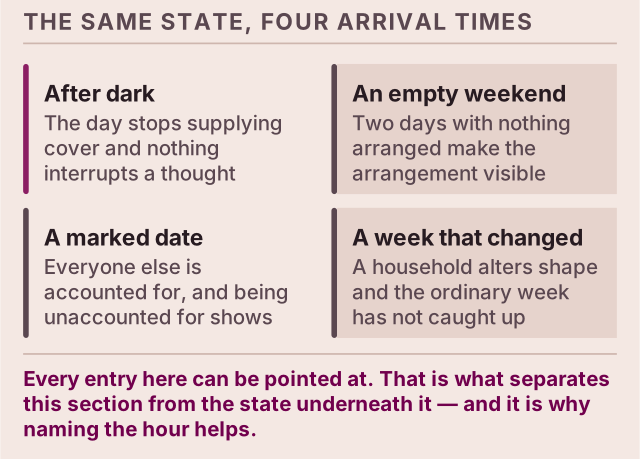
Situational loneliness is loneliness that keeps time. It has a cause and it has a calendar: it arrives after dark, or on a date in December, or in the week after a house changes shape, and it goes quiet again when the circumstance changes. That is what separates it from the version described in the rest of this site — this one can be pointed at, and pointing at something is the beginning of being able to name it.
A trigger here means the thing that removed the cover, not the thing that created the state. The distinction matters more than it sounds. Nothing new arrives at eight in the evening. What leaves is the supply of low-effort contact that the day had been providing without anyone arranging it: a queue, a colleague, a reply, traffic outside, other people visibly being awake.
Why does loneliness arrive at particular hours?
Because the day is doing work that nobody notices until it stops. Cover is the ordinary background of a day — the tasks, noise and incidental contact that sit between a person and the state. None of it is closeness. All of it is company of a kind, and it runs without being asked for.
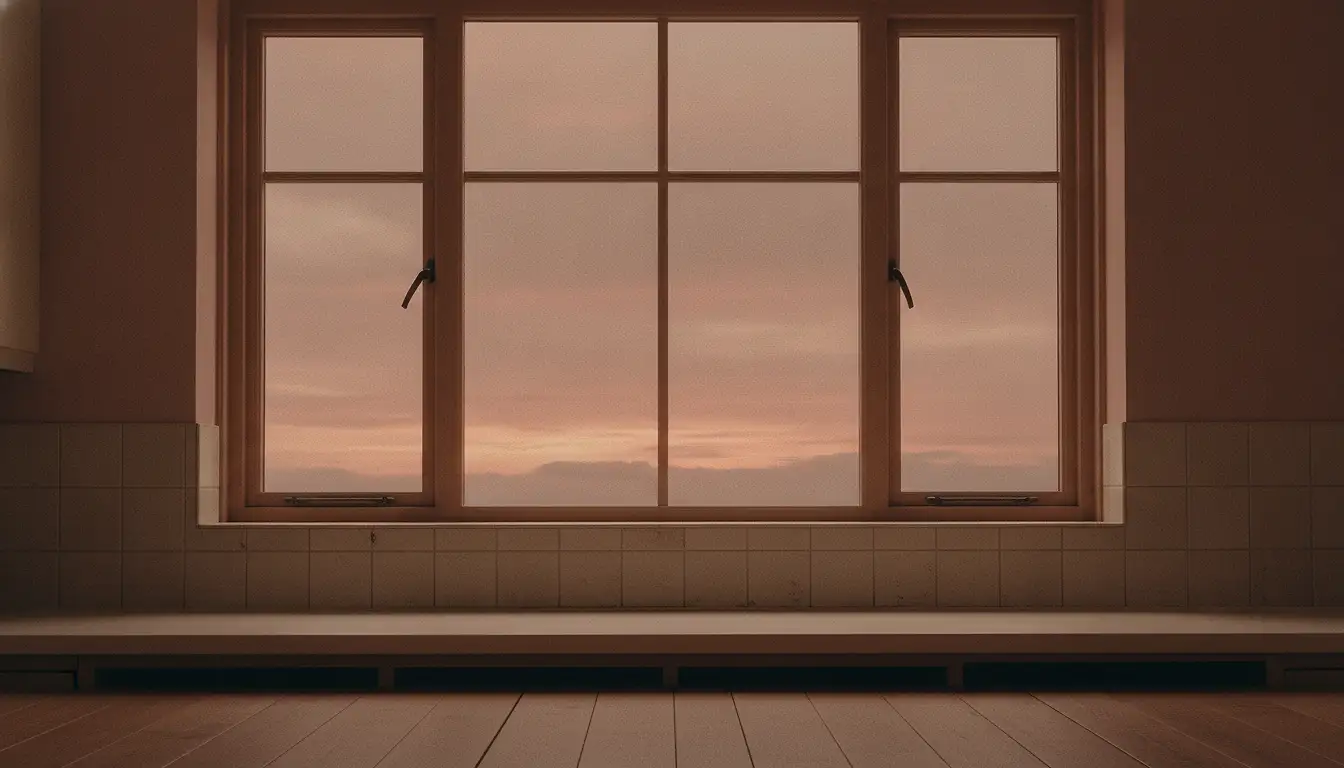
When the cover comes off, the gap that was there at four in the afternoon becomes audible. Consider the same flat at one in the afternoon and at ten at night: same rooms, same silence, same person. What has changed is that the afternoon had somewhere to put a thought and the evening does not.
This is also why a good day can end badly. An evening that follows a crowded, sociable afternoon lands harder than one that follows a quiet day, because the drop is steeper. The level is not what registers. The change in level is.
Why do dates hit as hard as hours?
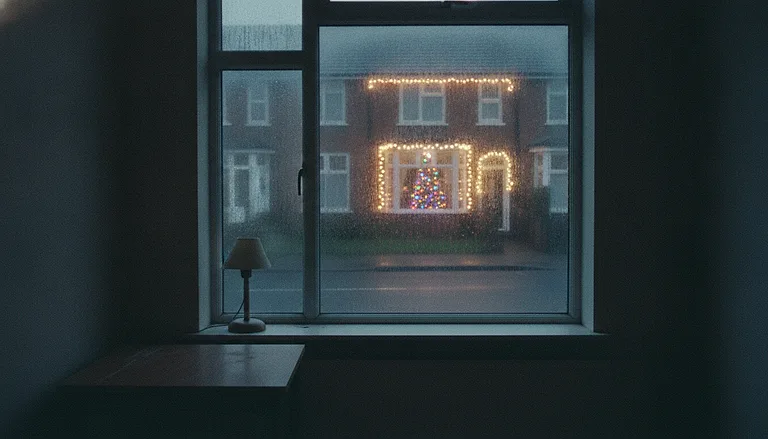
Because a date makes an absence visible to other people, and to yourself. A calendar with something on it for everybody else is a public accounting of who is with whom, and being unaccounted for on that day is a different experience from being unaccounted for on an ordinary Tuesday. The hour version is about cover. The date version is about visibility.
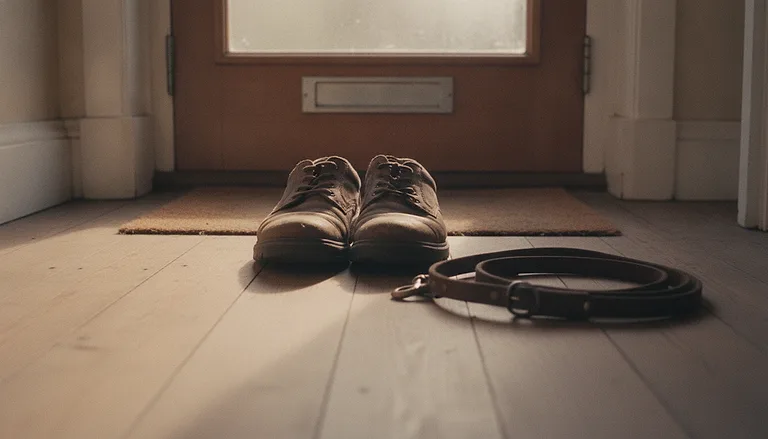
Anniversaries work the same way in reverse: nothing is scheduled and something is missing from the schedule. For instance, a Saturday that used to have a standing arrangement in it does not go blank quietly — it goes blank at the same time each week, which is what turns it into a date rather than an empty afternoon.
What actually changes when it arrives?
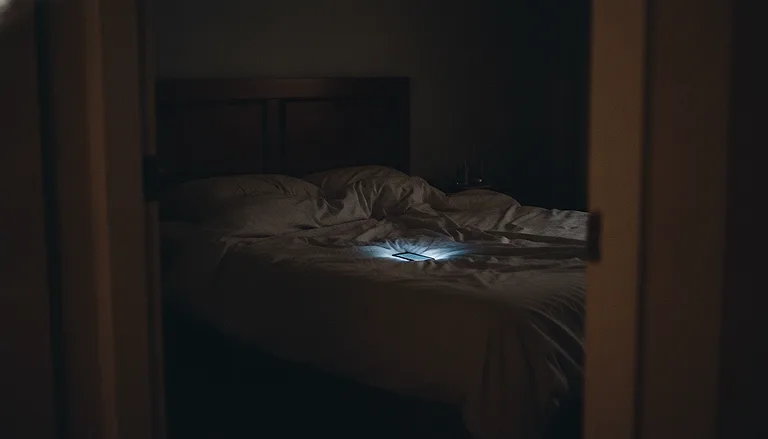
Not the facts. The reading of them. A verdict hour is the stretch where the same week gets reassembled into a statement about a whole life, delivered with total confidence and nothing available to check it against. In the morning the thought is that a week went by without anyone in it. Later the same thought arrives sounding permanent.
Three things are worth keeping apart when it lands:
- What is actually true about the week — which is checkable, and smaller than the verdict.
- What the hour is adding — confidence, finality, the sense that this is how it will stay.
- What would change it — which is a question about the gap, not about the evening.
Nothing about the dark or the date makes an assessment more accurate. It makes it less checkable, which feels identical from inside and is a completely different thing.
What do people do with it, and what does that cost?
They cover it again, mostly, and covering is not a failure — it is what the day was doing anyway. What differs is the price. Some cover is cheap and leaves nothing behind. Some of it is expensive: a message sent at an hour when it will be read as an emergency, a decision made in the state and carried out before daylight.
Adult attachment research describes two broad directions people move in when the closeness they want is not available: pressing harder for it, or shutting the need down (Mikulincer and Shaver, 2012). That is a description of strategies, not a diagnosis of anybody, and it is quoted here only that far. Imagine two people in the same quiet flat on the same evening — one texting everybody in the list, one deciding they have simply become a private person. Neither is doing something wrong, and neither reading tells you what the evening was made of.
Where this section stops
It describes the shape of the hours and the dates. It does not supply things to do with an evening, and it does not say how long any stretch runs or how many people are in it — those are claims this site holds no source for, so it does not make them.
It also stops at the clinical border. If the state has stopped lifting at all, if it has turned into hopelessness, or if it has moved into sleep, eating and the ability to work, that is a conversation for a doctor or a therapist rather than for a page describing a Tuesday.